Compare Local Contractors for Inground Sprinkler Installation
Compare local contractors to define project scope, verify experience, and set clear expectations in writing for successful inground sprinkler installation.
Inground sprinkler installation projects typically involve planning, designing, and installing underground irrigation systems to efficiently water lawns, gardens, and landscape features. This work includes assessing the property’s layout, selecting appropriate sprinkler heads and piping, and ensuring proper coverage to maintain healthy vegetation. Contractors may also handle related tasks such as trenching, connecting to existing water supplies, and testing the system to confirm optimal operation. Clear communication about the scope of work helps property owners understand what is included, whether it’s a full system overhaul or a simple upgrade to existing components.
Defining the scope of an inground sprinkler installation is essential for setting realistic expectations and avoiding misunderstandings. Property owners should work with contractors to specify details such as the area to be irrigated, types of sprinkler heads, zones, and any integration with existing landscaping or drainage systems. Having a written outline of the project helps ensure that both parties agree on the work to be performed and provides a reference point for any future adjustments or questions. This clarity can also facilitate smoother project management and help prevent scope creep.
When comparing local contractors for sprinkler installation, property owners should consider experience, reputation, and the services offered. It’s beneficial to verify how long a contractor has been working in the area and whether they have handled projects similar in size and complexity. Reviewing references or seeking recommendations can provide insight into the quality of work and reliability. Additionally, understanding the specific services each contractor provides, along with their approach to project planning and communication, can help property owners select a provider that aligns with their needs and expectations.
Compare local contractors by outlining your project priorities, verifying experience, and setting clear expectations in writing.
- Compare Contractor Experience - review the background and expertise of local contractors to ensure they understand inground sprinkler systems.
- Define Project Scope - clearly outline the work needed and expectations to avoid misunderstandings.
- Verify Service Provider Credentials - confirm the qualifications and track record of local contractors before proceeding.
- Get Written Agreements - ensure all project details, responsibilities, and expectations are documented in a formal agreement.
Clearly describe your inground sprinkler project to help compare local contractors, define scope, verify experience, and set expectations in writing.
- Verify the experience of service providers with inground sprinkler installation projects similar in scope and complexity. - Ensure contractors clearly define the scope of work and include detailed descriptions in written agreements.
- Compare multiple local contractors to assess their methods, warranties, and the materials they plan to use. - Look for service providers who can provide references or examples of past sprinkler installation work.
- Check that contractors have a thorough understanding of your landscape layout and water pressure requirements. - Confirm that installation plans consider proper zoning, head placement, and irrigation coverage.
- Ensure all project details, including materials, installation procedures, and responsibilities, are documented in a comprehensive contract. - Clarify the process for addressing potential issues or adjustments during installation before work begins.
- Assess the communication style and responsiveness of service providers to determine their ability to meet expectations. - Choose contractors who provide clear, written explanations of their approach and answer questions thoroughly.
Compare local contractors’ experience and reviews to clearly define project scope and expectations.
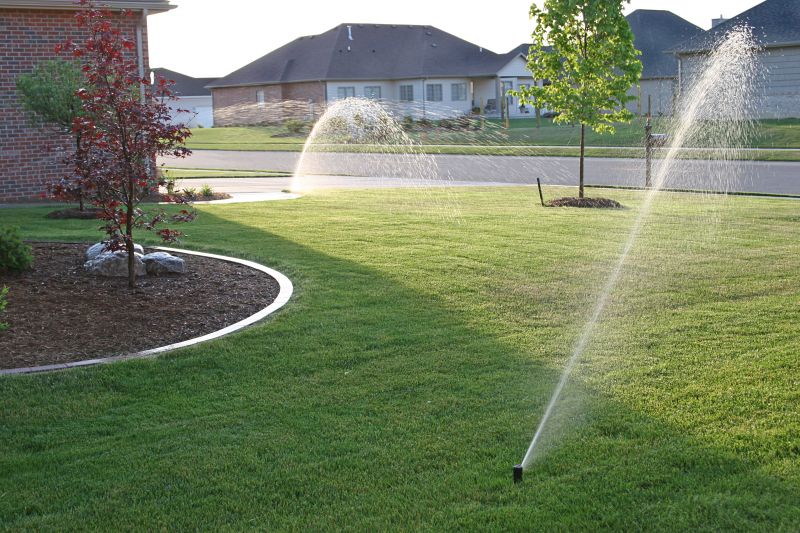
A clear scope and verified experience help ensure consistent comparisons among local contractors for inground sprinkler installation.
- Project Scope - Clearly outline the specific areas and zones to be irrigated with the sprinkler system.
- Design Considerations - Define the preferred sprinkler types, coverage patterns, and system layout to meet landscape needs.
- Experience Verification - Confirm the local contractors' experience with inground sprinkler installations in similar properties.
- Material Specifications - Specify the types of pipes, valves, and sprinkler heads to be used in the installation.
- Work Expectations - Document the scope of work, including excavation, installation, testing, and cleanup procedures.
When comparing contractors for inground sprinkler installation, it’s important to consider their experience with similar projects. Homeowners should inquire about the types of landscapes and systems the service providers have previously installed to ensure familiarity with the specific requirements of their property. Contractors with a proven track record in projects comparable in size and complexity are more likely to understand the nuances involved and deliver results that meet expectations. Asking for references or examples of past work can help gauge their expertise and comfort level with installations similar to what is needed.
A clear, written scope of work is essential to establish mutual understanding and set expectations. Homeowners should seek detailed descriptions of the installation process, including the materials to be used, the layout of the system, and any specific features or customizations involved. A comprehensive scope reduces the risk of misunderstandings and provides a basis for evaluating whether the contractor’s approach aligns with the homeowner’s needs. Ensuring that all aspects of the project are documented in writing can also serve as a useful reference throughout the work.
Verification of basic project details is a critical step when comparing service providers. Homeowners should verify that the contractor understands the site-specific considerations such as existing landscape features, underground utilities, and any local regulations that may impact installation. Confirming that the contractor plans to perform a site assessment and provide a detailed plan can help ensure that the project will be properly tailored to the property. Additionally, understanding how the contractor verifies the system’s operation after installation-such as pressure testing and leak detection-can provide insight into their thoroughness and commitment to quality.
Evaluating options without focusing on prices involves assessing how well each contractor’s proposal aligns with the project’s scope and your expectations. Homeowners should compare the clarity and completeness of each proposal, paying attention to the level of detail provided about the installation process, materials, and verification steps. It’s also helpful to consider the communication style and responsiveness of each service provider, as these can indicate their professionalism and dedication to customer satisfaction. By focusing on the quality of the proposal and the contractor’s approach, homeowners can make informed decisions that prioritize reliability and thoroughness in the installation process.
Ask contractors to provide written scope details to ensure clear expectations and consistent project understanding.
- Experience with Inground Sprinkler Systems - What relevant experience do local contractors have with installing inground sprinkler systems in similar properties?
- Scope of Work Details - How do local service providers define and outline the scope of the sprinkler installation project?
- Comparison of Services - What specific services and installation methods do different contractors include in their proposals?
- Written Estimates and Agreements - Do local contractors provide detailed, written descriptions of the work scope and expectations?
- Warranty and Service Policies - What warranties or service policies do local service providers offer for their sprinkler installation work?
How can I compare contractors for inground sprinkler installation? Comparing local contractors involves reviewing their experience, verifying references, and assessing the scope of work they offer to ensure they meet project needs.
What should I consider when defining the scope of the sprinkler installation? Clearly outlining the number of zones, types of sprinklers, and coverage area helps contractors provide accurate proposals and ensures the project aligns with expectations.
How important is verifying a contractor's experience with sprinkler systems? Experience with inground sprinkler installations ensures contractors are familiar with best practices, reducing the risk of issues and promoting quality work.
What questions should I ask to understand a contractor’s approach to installation? Inquire about their process for planning, installation methods, and how they handle potential challenges to ensure clarity and alignment.
Why is it recommended to get written estimates and scope agreements? Written documentation helps set clear expectations, defines project parameters, and provides a reference for the work to be performed.
How can I ensure the contractor's work will meet my project needs? Discuss detailed project requirements upfront, review their proposed plan, and confirm that all aspects are documented before work begins.
By reviewing the information provided, visitors can gain a clearer understanding of the key factors involved in selecting a contractor for inground sprinkler installation. They will learn how to define the scope of work, verify experience, and ensure all details are outlined in writing to help set clear expectations. Utilizing the quote form allows for an efficient way to compare options among nearby service providers, making it easier to identify the right contractor for the project.
Using the quote form to connect with local contractors offers a straightforward approach to exploring available services and options. It provides an opportunity to gather information, compare different providers, and make informed decisions based on the details shared. This process supports finding experienced professionals who can handle the job according to the specific needs of the property.